

Why Test Cosmetics?
Cosmetics and personal care products come into direct contact with skin, hair, and eyes.
Hidden contaminants or inaccurate labeling can:
- Cause skin irritation, allergies, or infections
- Lead to regulatory actions (BIS, CDSCO, FDA, EU Cosmetic Regulations)
- Result in product recalls and brand damage
- Erode consumer trust
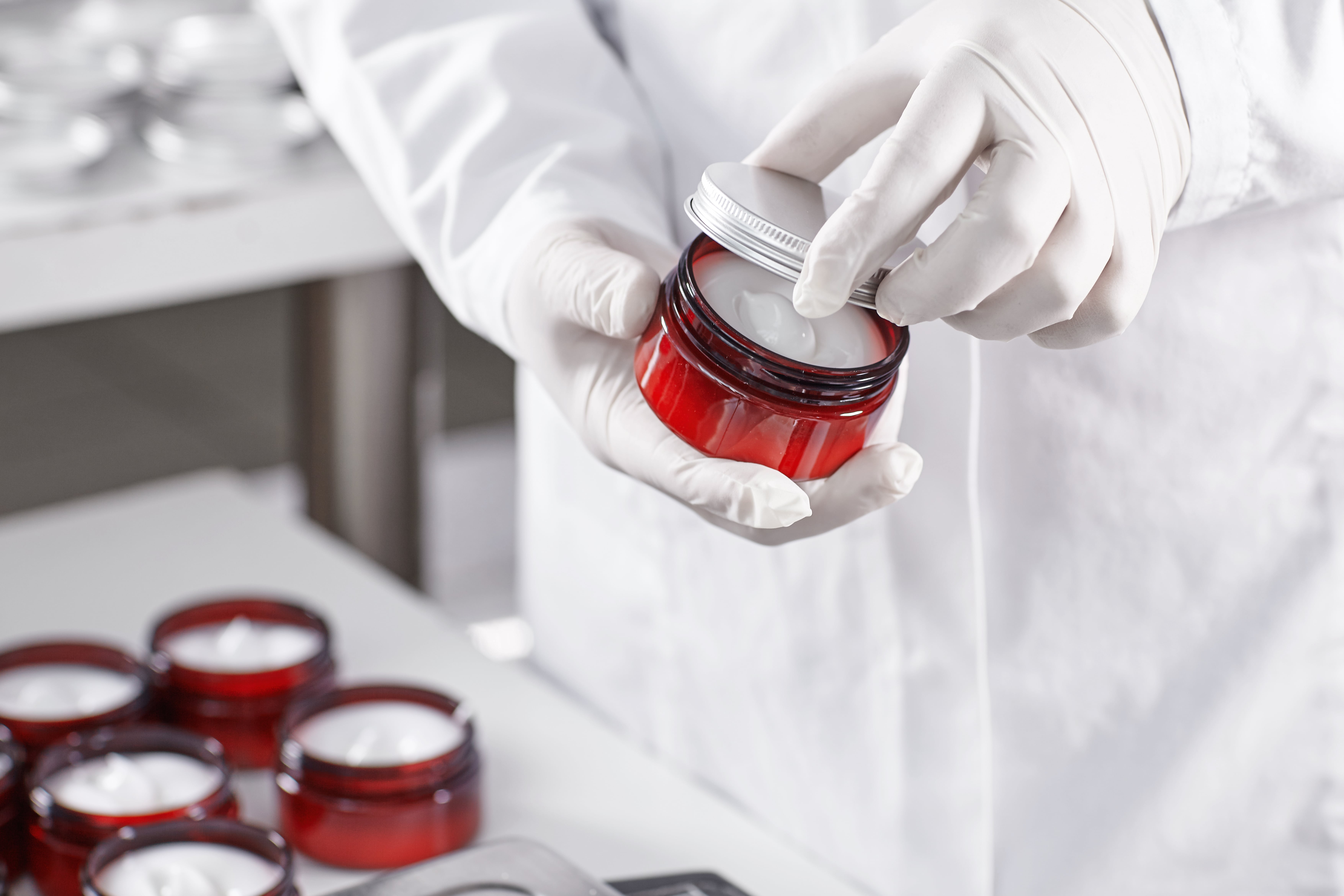

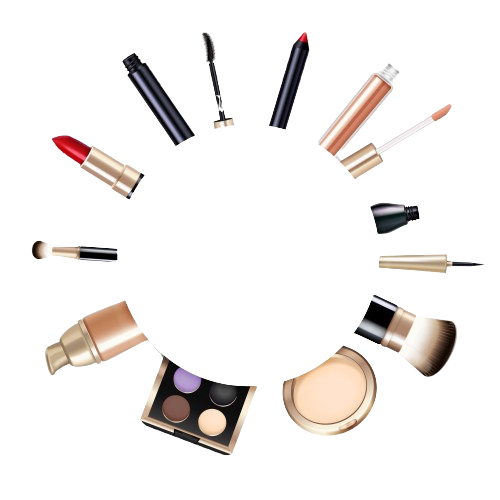
Regular testing ensures:
- Products are safe, effective, and free from harmful substances
- Compliance with BIS, ISO, FDA, EU, and global cosmetic standards
- Accurate labeling for consumer trust and legal requirements
- Smoother approvals for domestic and export markets
Types of Cosmetic Testing We Provide
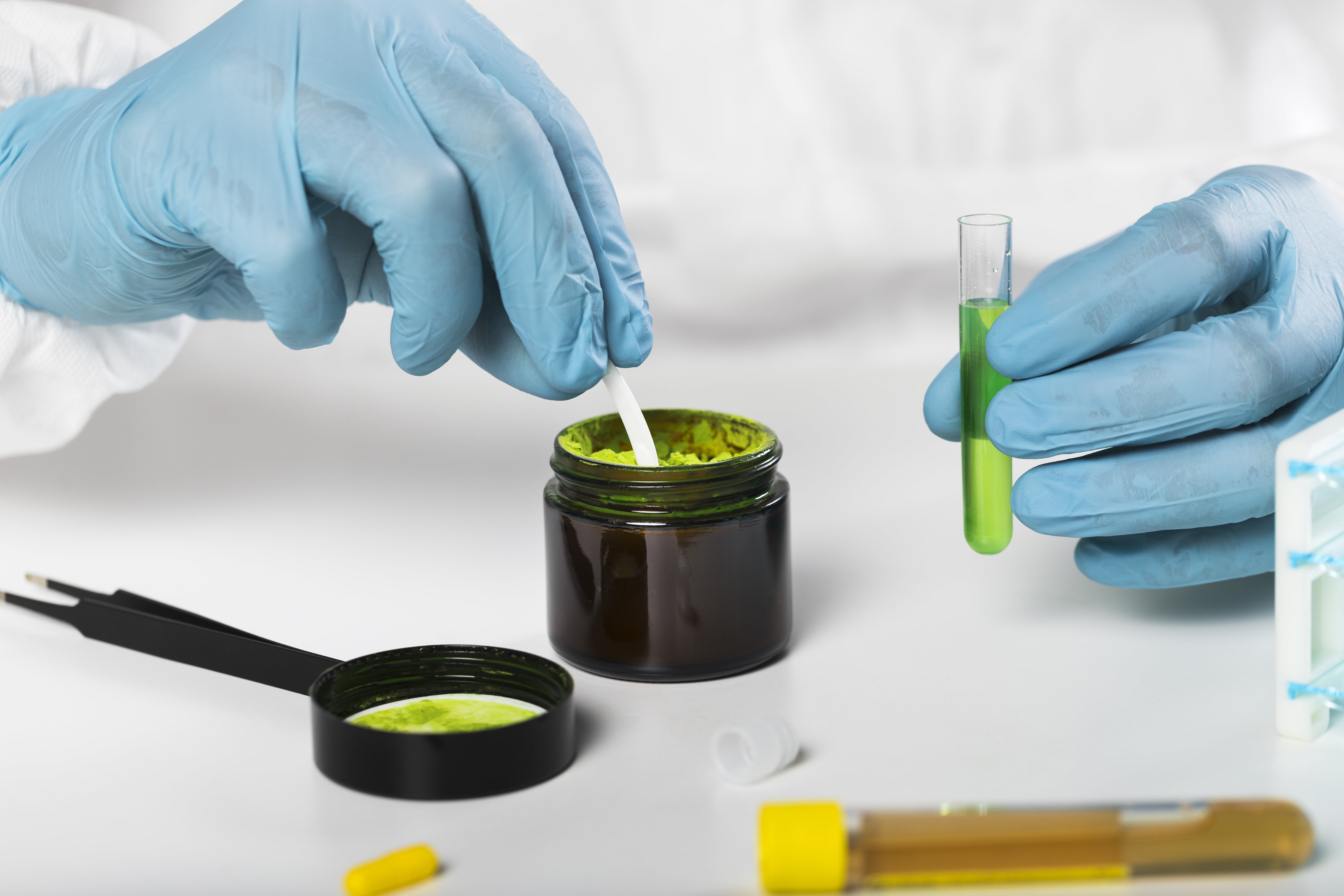
Microbial Contamination Testing
Why: Cosmetics can harbor bacteria, yeast, or mold that cause infections.
What we test: Total viable count, E. coli, Pseudomonas, Staphylococcus aureus, Candida, Aspergillus.
Who needs it: Creams, lotions, shampoos, baby care products.
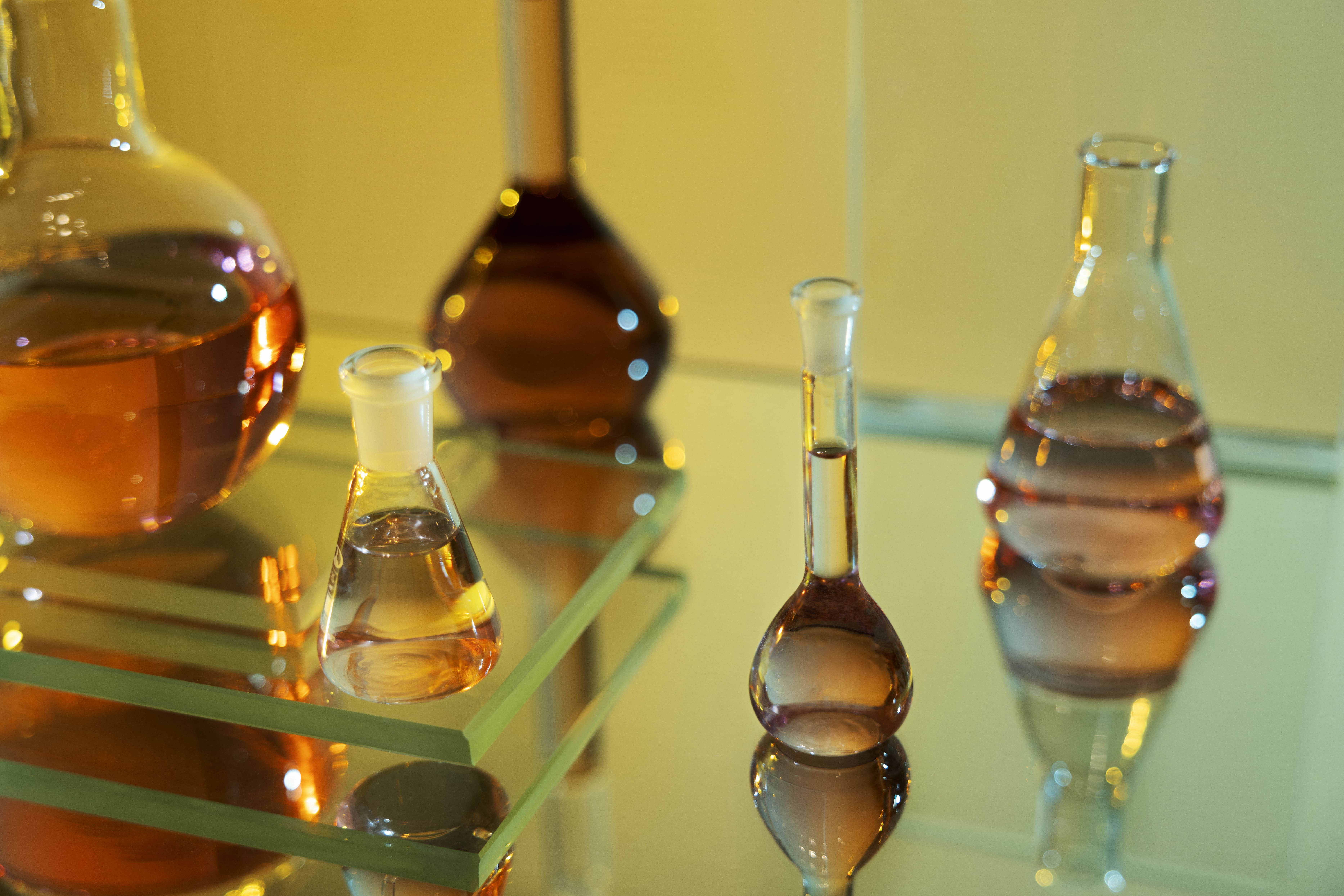
Heavy Metals Testing
Why: Metals like lead, arsenic, and mercury are toxic and restricted globally.
What we test: Lead, cadmium, mercury, arsenic, chromium.
Who needs it: Lipsticks, kajal, powders, hair dyes.
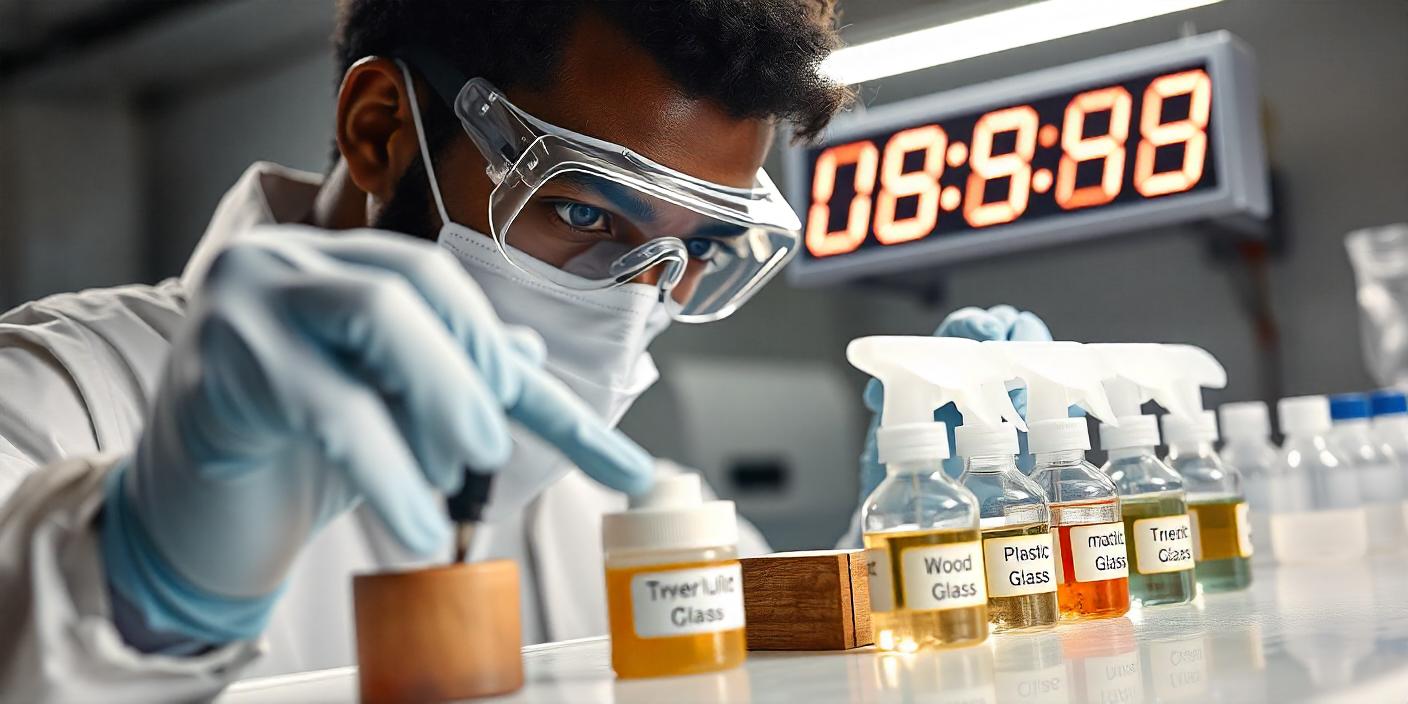
Preservative Efficacy (Challenge Test)
Why: Preservatives must control microbial growth during shelf life.
What we test: Preservative system’s ability to inhibit microbial growth over time.
Who needs it: All formulations with water content (lotions, creams, gels).
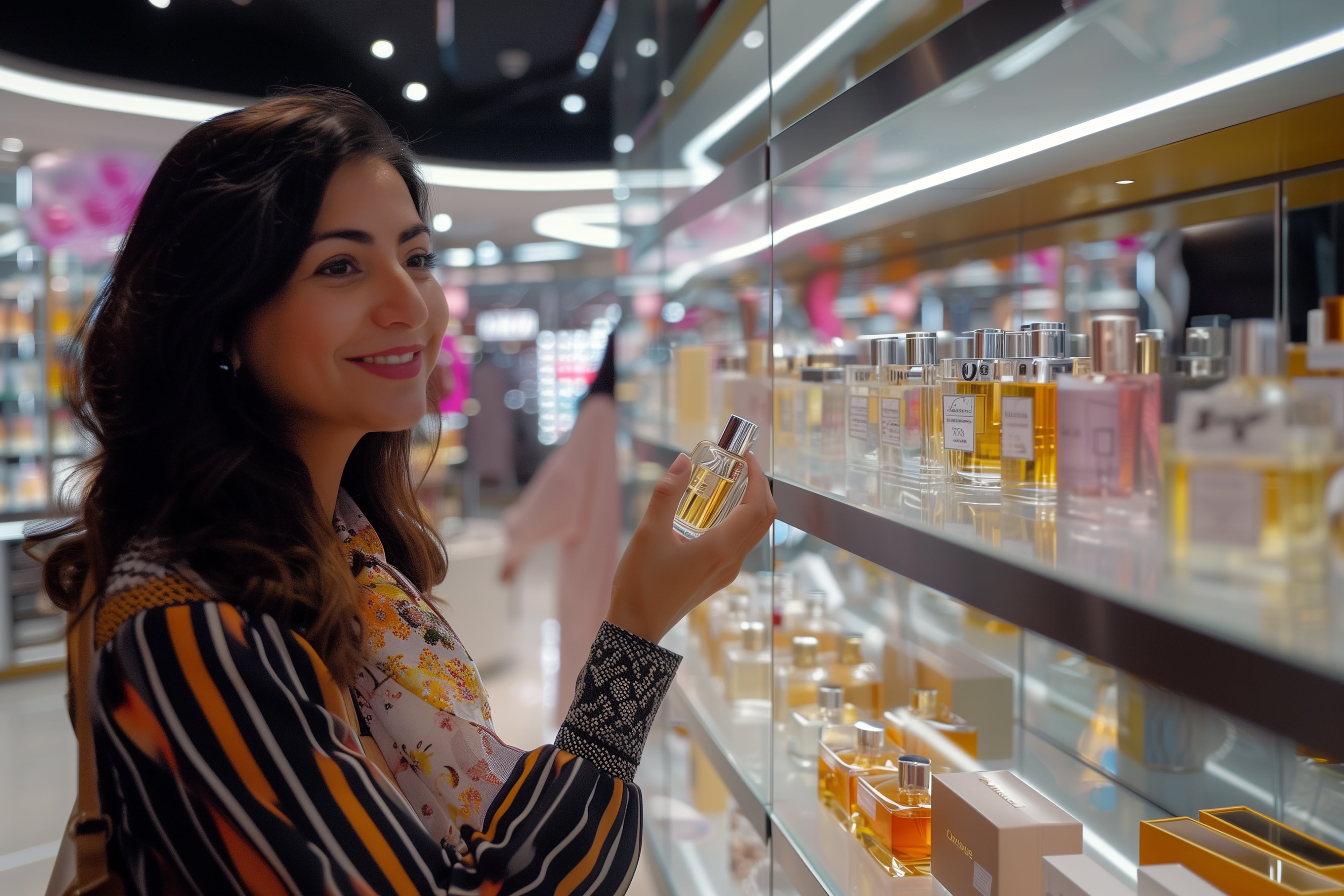
Stability & Shelf-Life Testing
Why: Products must remain safe and effective over their storage period.
What we test: Physical, chemical, and microbial stability under different conditions.
Who needs it: Every cosmetic brand before product launch.
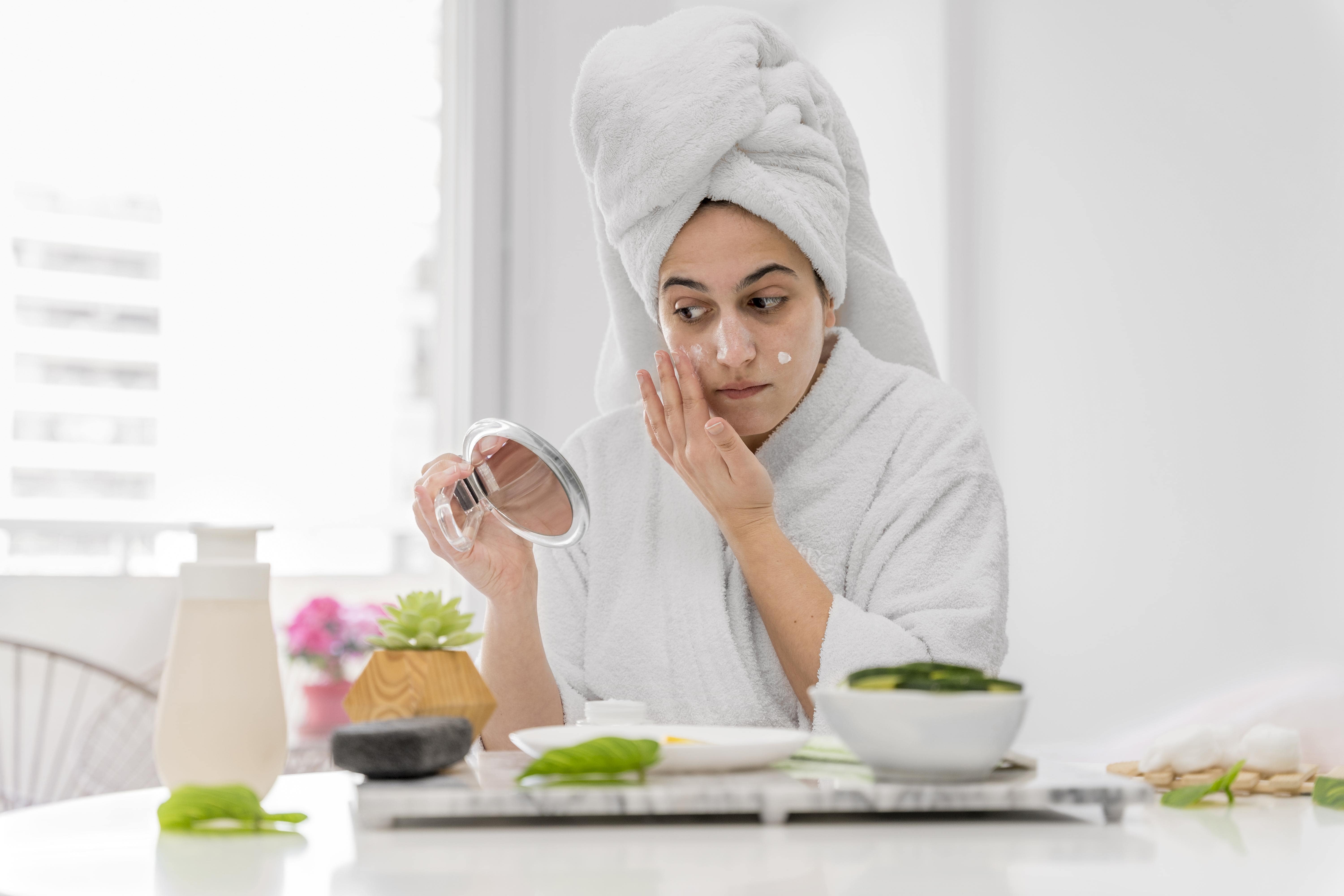
Safety & Toxicology Testing
Why: To assess irritation, sensitization, or toxicity risks.
What we test: Patch tests, in-vitro toxicity, dermatological assessments.
Who needs it: New formulations, baby products, sensitive-skin products.
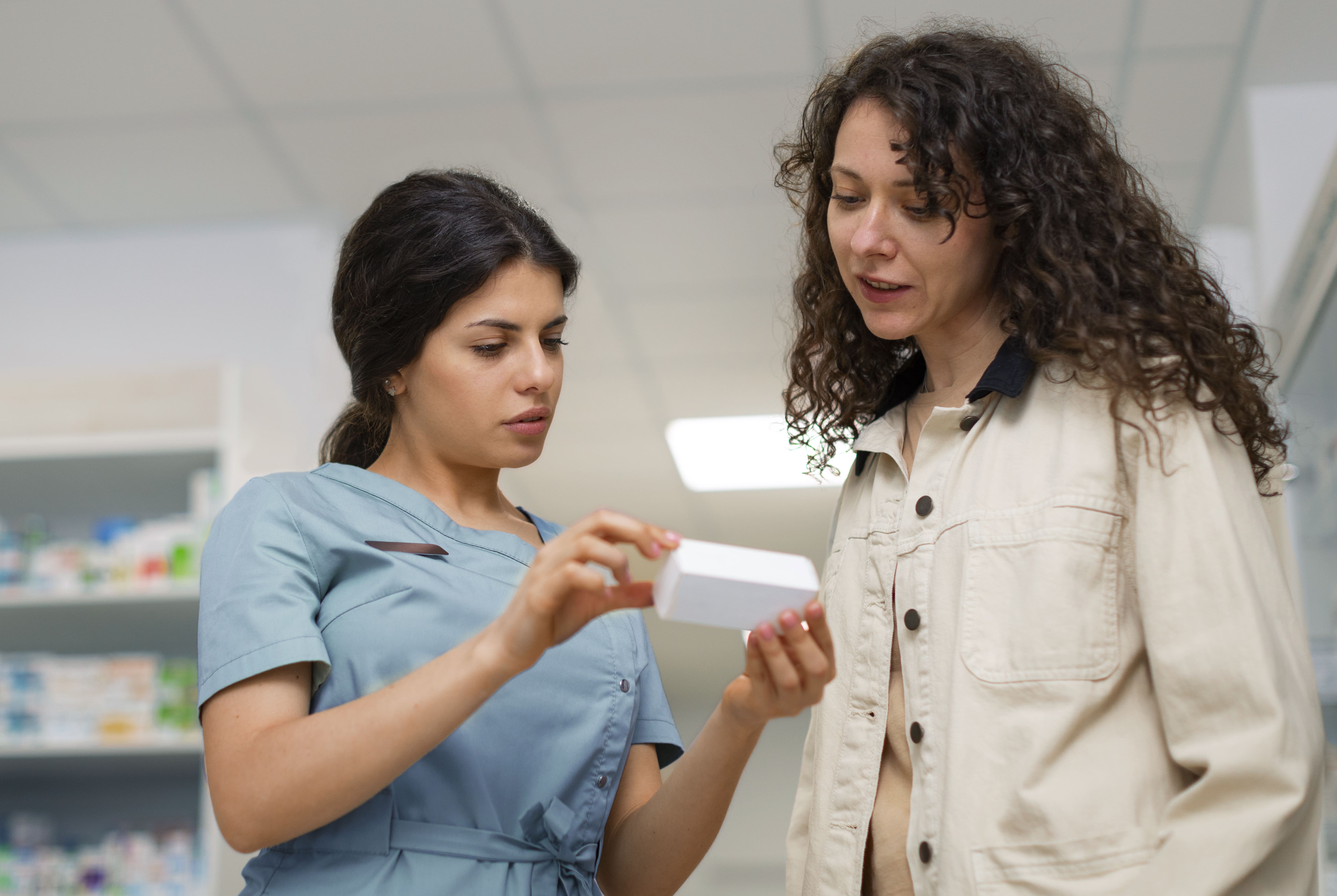
Label Claim Validation
Why: To back marketing claims with data (e.g., “paraben-free,” “dermatologically tested”).
What we test: Ingredient verification, efficacy studies, compliance with BIS/Cosmetic Rules.
Who needs it: FMCG, cosmetic, and personal care brands.
Benefits of Testing with Prewel Labs
Regulatory Confidence
Testing as per BIS, ISO, FDA, and EU standards.
Accredited Accuracy
NABL-certified lab with global best practices.
Digital Dashboard
Real-time results, audit-ready reports, and AI foresight.
Faster Approvals
Smooth compliance for domestic and export markets.
Brand Protection
Build consumer trust with transparent, validated safety.
Who We Serve
Cosmetic & Personal Care Brands
Skin care, hair care, baby products, makeup
FMCG Companies
Mass-market beauty and hygiene products
Exporters
Compliance with EU, US FDA, and global cosmetic standards
Private Labels & Startups
New entrants launching innovative cosmetic products
Cosmetics Testing at a Glance
| Test Type | Why It Matters | Key Parameters | Who Needs It |
|---|---|---|---|
| Microbial Contamination | Prevents infections & spoilage | Bacteria, yeast, mold | Creams, lotions, shampoos |
| Heavy Metals | Detects toxic elements | Lead, cadmium, mercury, arsenic | Lipsticks, kajal, powders |
| Preservative Efficacy | Validates preservative system | Challenge test | All formulations with water |
| Stability & Shelf-Life | Ensures product safety over time | Physical, chemical, microbial stability | All cosmetic products |
| Safety & Toxicology | Confirms product is skin-safe | Patch tests, in-vitro toxicity | Baby care, sensitive skin products |
| Label Claim Validation | Builds credibility & compliance | Ingredient verification, efficacy | FMCG & cosmetic brands |