

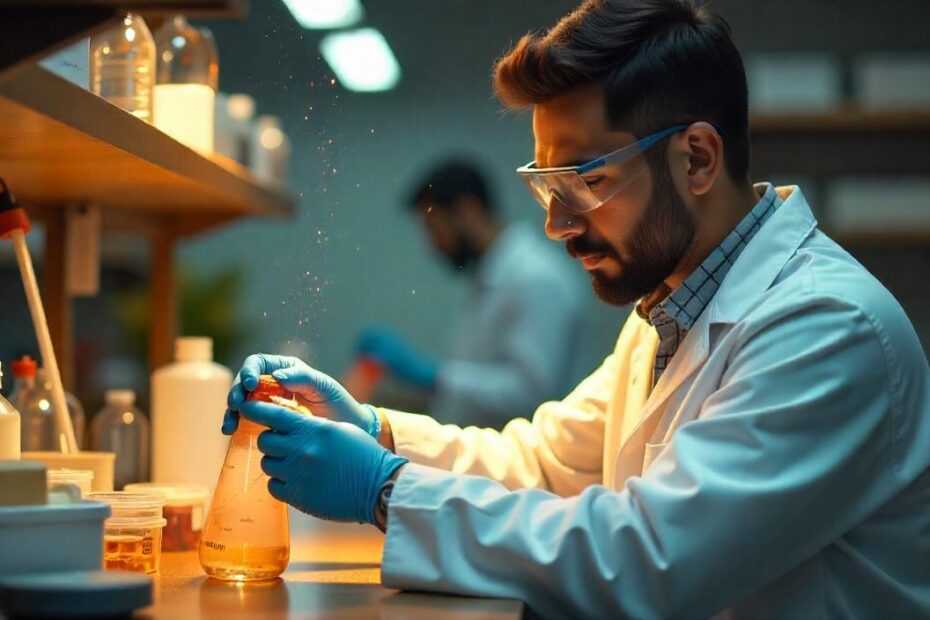
The Evolution of Disinfectant Efficacy Testing: From Traditional Methods to Advanced Technologies
- Introduction
- Traditional Methods of Disinfectant Efficacy Testing
- Advancements in Disinfectant Efficacy Testing
- Future Trends in Disinfectant Efficacy Testing
- Conclusion
- How Prewel Labs Can Help You
- Authors
- Leave a Reply
Introduction
Disinfectant efficacy testing has been a cornerstone of contamination control in industries such as pharmaceuticals, healthcare, and medical devices. Ensuring that disinfectants effectively eliminate pathogens is critical for maintaining clean and compliant environments. Over the years, the methods used to evaluate the effectiveness of disinfectants have evolved significantly, driven by regulatory requirements, technological advancements, and the need for more precise and reliable results. This blog explores the journey from traditional methods to modern, advanced technologies in disinfectant efficacy testing.
Traditional Methods of Disinfectant Efficacy Testing
Traditional disinfectant efficacy testing methods have provided a foundation for ensuring hygiene and safety. Some of the most commonly used traditional approaches include:
-
Phenol Coefficient Test:
One of the earliest methods used to compare disinfectant effectiveness relative to phenol. The test involves determining the dilution of the disinfectant required to kill a standard population of bacteria within a specified time. Limited by its applicability to only specific bacteria and conditions.
-
Use-Dilution Test:
Evaluates disinfectant performance under practical conditions by testing against dried microorganisms on surfaces. Microbial carriers, such as stainless steel or glass rods, are contaminated with test microorganisms, dried, and exposed to the disinfectant.
-
Suspension Tests:
Disinfectants are tested in solution to determine their bactericidal, fungicidal, and sporicidal properties. Examples include the AOAC Use-Dilution and EN suspension tests.
-
Carrier Tests:
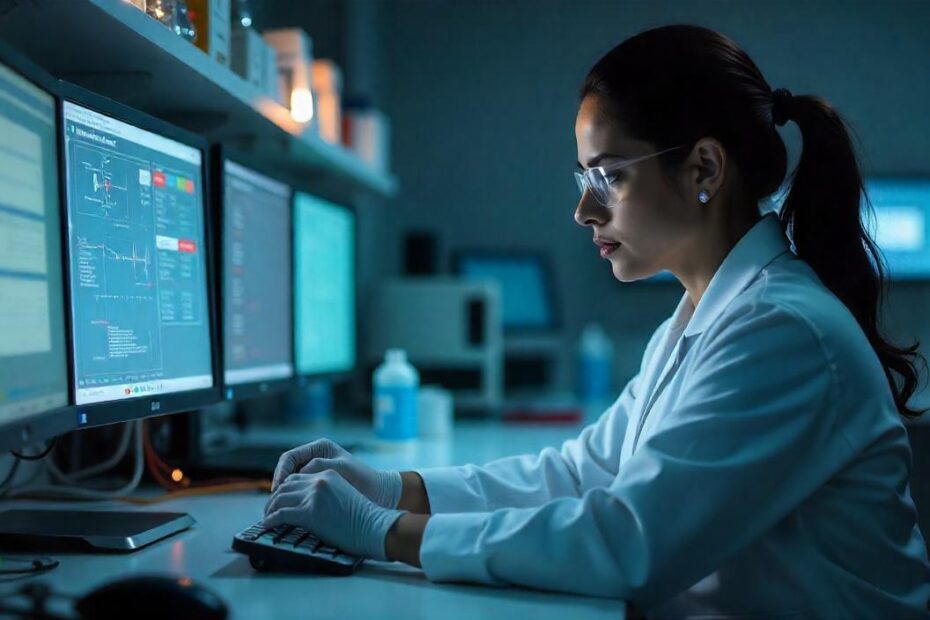
Assesses disinfectant performance on surfaces such as glass, steel, or plastic. Provides insights into the interaction between disinfectants and real-world surfaces, ensuring practical applicability.
While these methods have served well for many years, they come with limitations such as variability in test conditions, longer turnaround times, and limited scope in terms of environmental factors.
Read More: The Importance of Surface Compatibility in Disinfectant Efficacy Testing
Advancements in Disinfectant Efficacy Testing
With technological progress and evolving regulatory expectations, more advanced testing techniques have emerged to provide greater accuracy, reproducibility, and efficiency. Some of the key advancements include:
-
Automated Microbial Detection Systems:
These systems use advanced imaging and AI-driven analysis to detect microbial growth faster and more accurately. Reduces human error and enhances reproducibility.
-
Molecular Testing Techniques:
PCR (Polymerase Chain Reaction) and qPCR allow for the rapid detection of microbial DNA, providing faster results compared to culture-based methods.
-
Biofilm Testing Models:
Recognizing the challenge posed by biofilms, newer methods focus on evaluating disinfectant effectiveness against biofilm-forming microorganisms.
-
ATP Bioluminescence Testing:
Measures the presence of ATP (adenosine triphosphate) as an indicator of biological contamination. Provides immediate feedback on cleanliness and effectiveness of disinfection.
-
Nanotechnology-Based Assessments:
Use of nanoparticles to enhance the delivery and efficacy of disinfectants. Evaluates the interaction at a molecular level, ensuring thorough understanding of disinfectant actions.
-
Regulatory-Driven Standardization:
Enhanced global standards such as USP <1072>, EN 13697, and ASTM E2315 have driven more consistent and reliable testing methodologies.
Read More: 6 Mindsets That Could Derail Your Disinfectant Efficacy Testing Results
Future Trends in Disinfectant Efficacy Testing
Looking ahead, the future of disinfectant efficacy testing is likely to be influenced by:
-
Artificial Intelligence and Machine Learning:
Automating data analysis for greater insights and predictive capabilities.
-
Real-Time Monitoring Systems:
Integration of IoT-based devices for continuous monitoring of disinfection efficacy.
-
Sustainability Focus:
Development of eco-friendly disinfectants and testing methods to align with environmental goals.
-
Personalized Disinfection Strategies:
Tailoring disinfectant application based on specific facility needs and microbial risks.
Conclusion
The evolution of disinfectant efficacy testing reflects the industry’s commitment to improving hygiene standards through innovation and compliance. From traditional methods that laid the groundwork to advanced technologies that enhance precision, the future promises even greater advancements to ensure contamination control. As technology continues to evolve, businesses must stay ahead of these developments to ensure effective contamination control and regulatory adherence.
How Prewel Labs Can Help You
At Prewel Labs, we understand the complexities involved in disinfectant efficacy testing. Our state-of-the-art facilities and experienced team offer a comprehensive range of testing services, from traditional methods to cutting-edge advanced technologies. We provide:
- Compliance with global regulatory standards (USP, EN, ASTM, etc.)
- Rapid and accurate testing using advanced molecular and bioluminescence techniques
- Customized testing solutions to meet your specific industry needs
- Expert consultation to help you optimize your disinfection strategies
- Real-time data monitoring and reporting for better decision-making
Partner with Prewel Labs to ensure your disinfectants meet the highest standards of efficacy and safety. Contact us today to learn more about our services and how we can support your quality assurance goals.
Authors

Kumar Swamy
With over 20 years of experience in the pharmaceutical sector, Kumar Swamy M V is a seasoned expert in Quality Control Microbiology. Holding a Master’s degree in Microbiology, he has built a distinguished career across notable organizations, including Syngene, Biomed, Hikal, Apotex, and Cipla. His extensive industry knowledge spans various regulatory standards, such as USFDA, MHRA, ANVISA, and WHO, making him a trusted authority in compliance and audit.

Adithya
With an abundance of experience in the field of SEO, Adithya is someone who is curious about the domain. He has published over 700 articles under his name and has worked for companies like EssentiallySports, TCS, and more.

Arjun Jha
Arjun Jha has over 8 years of experience in tech startups, business strategy, and digital and traditional marketing. He’s helped many startups grow by using creative strategies and a deep understanding of the market. Outside of work, Arjun enjoys reading about business, philosophy, psychology, and spirituality, which inspires his unique approach to problem-solving and growth.
Blog Form